- 4 Dec 2025
- Clara Pembroke
- 6
In South London, where the Thames bends past the old shipyards and the scent of saltwater mixes with coffee from independent roasters, companionship takes on a quiet, personal rhythm. Woolwich, with its mix of Victorian terraces, new-build apartments along the river, and the steady hum of the DLR, isn’t just another postcode. It’s a place where people come not to be seen, but to be understood. For those seeking genuine connection - whether after a long workweek in Canary Wharf, a quiet evening away from family life in Eltham, or simply the comfort of someone who listens - Woolwich escorts offer more than service. They offer presence.
Why Woolwich Stands Out in South London
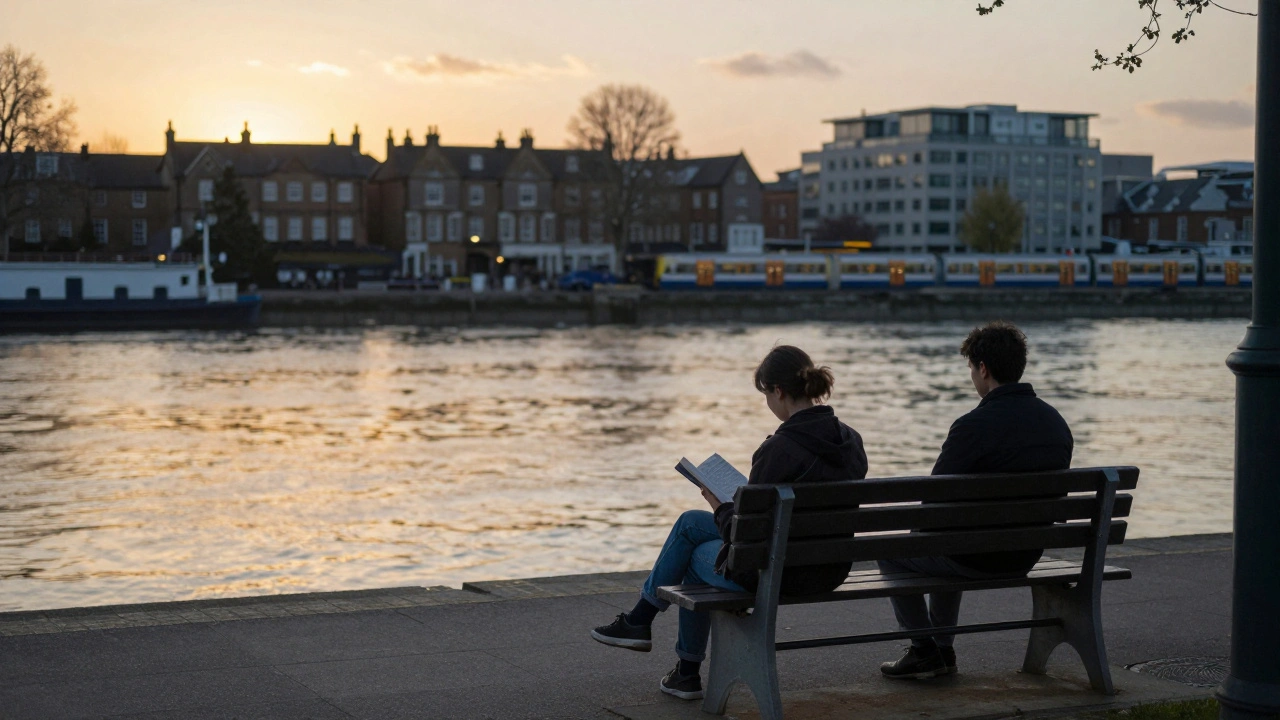
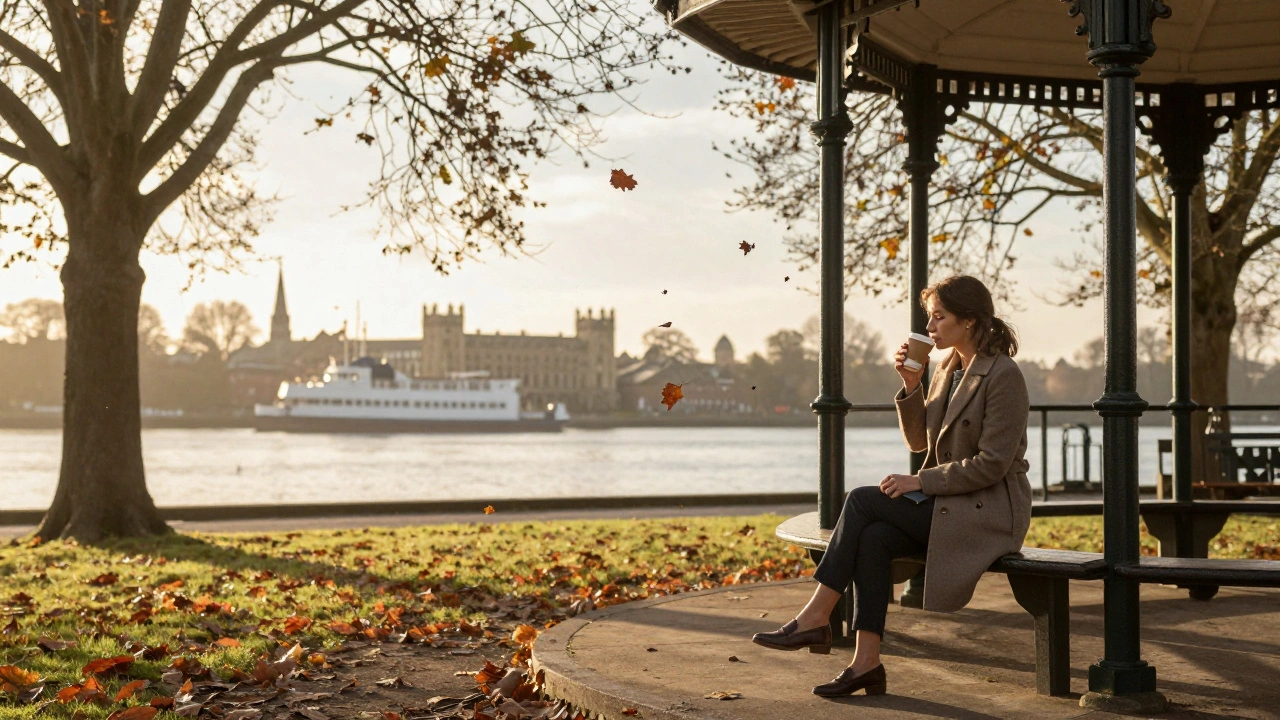
Unlike the high-end clubs of Mayfair or the fast-paced nightlife of Soho, Woolwich moves at a different pace. The Royal Arsenal Riverside development brought modern living, but the soul of the area still lives in the pubs along Woolwich High Street, the farmers’ market on the first Saturday of the month, and the quiet benches by the river where people read, think, or just sit without needing to explain themselves. This is why independent escorts in Woolwich often build long-term relationships with clients. It’s not transactional. It’s relational.
Many clients come from nearby Greenwich, drawn by the easy 10-minute DLR ride and the sense of stepping out of the tourist zones into something more grounded. Others are professionals working in Thamesmead or Abbey Wood, tired of dating apps that feel like job interviews. There’s a growing number of expats - from Eastern Europe, Southeast Asia, and the Middle East - who find in Woolwich a community that doesn’t demand performance. Here, companionship isn’t about appearances. It’s about availability: emotionally, mentally, physically.
What Clients Actually Want in Woolwich
Ask a regular client what they’re looking for, and you won’t hear “luxury” or “discretion” as the top answer. You’ll hear “quiet.” “No pressure.” “Someone who remembers my coffee order.”
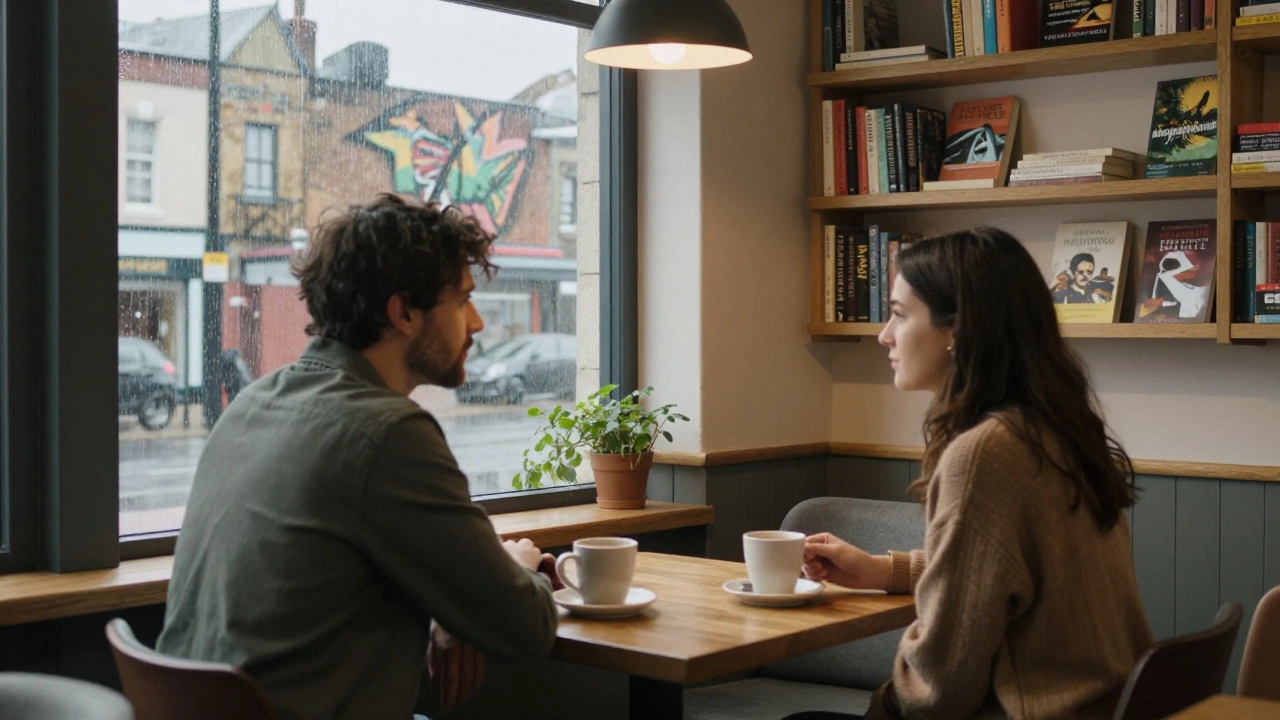
Take Sarah, a 42-year-old architect from Plumstead. She meets her companion once a week at a small bookshop café near the Woolwich Ferry terminal. They talk about architecture, her daughter’s exams, and the new mural on the side of the old Woolwich Arsenal building. She doesn’t pay for sex. She pays for silence that doesn’t feel empty. That’s the unspoken contract in Woolwich: you show up as you are, and so does the other person.
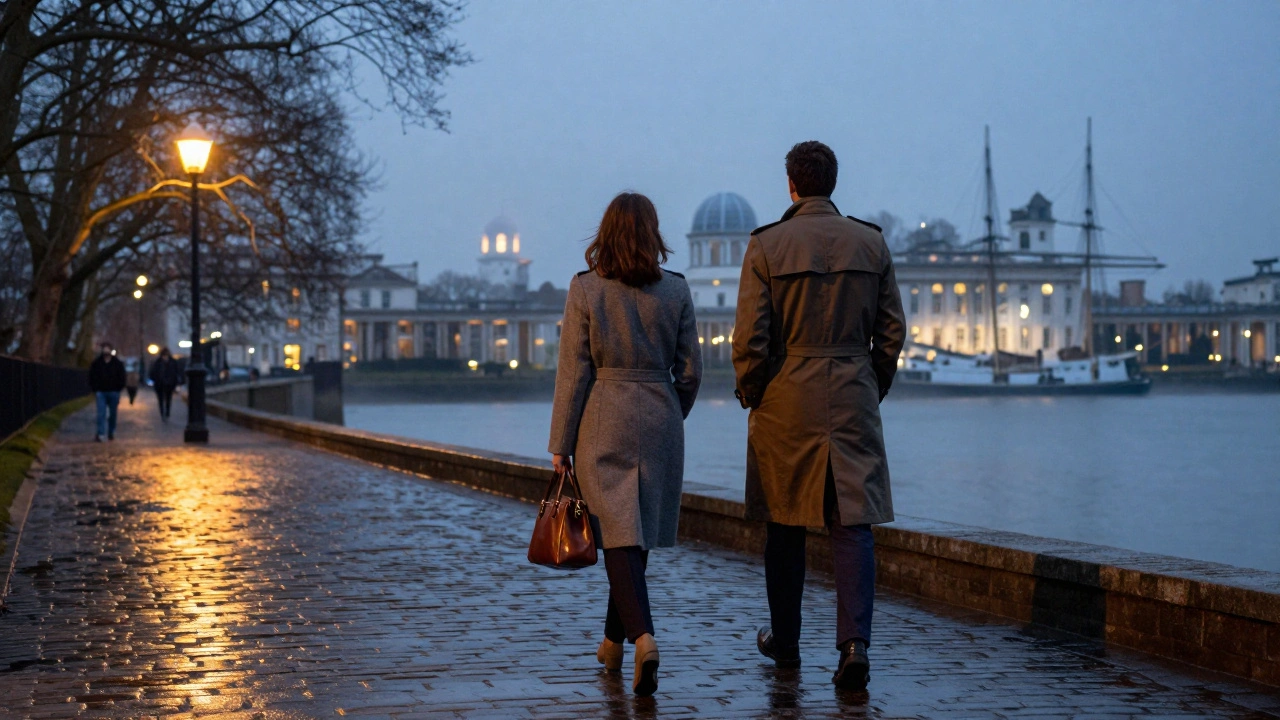
Compare that to North London, where clients often book for events - gallery openings in Camden, dinners in Islington, or corporate parties in Hampstead. In Woolwich, there are no events. There are only moments. A walk along the river at dusk. A shared meal cooked in a rented flat with no expectations beyond the next hour. A movie on a Tuesday night, no costumes, no scripts.
The Local Scene: Beyond the Surface
Woolwich isn’t just a transit point between Greenwich and Bexley. It’s a cultural crossroads. The community center on Powis Street hosts weekly language exchanges - Russian, Polish, Vietnamese, Arabic - and many of the independent escorts here are multilingual. That’s not a marketing gimmick. It’s practical. It means a client from Nigeria can speak in Yoruba and feel heard. A Polish engineer can discuss his hometown’s winter without translating his loneliness.
The local economy supports this too. Many escorts operate out of private flats above independent businesses - a bakery in the High Street, a vintage shop near the train station. They’re not in clubs. They’re not advertised on flashy websites. Word spreads through trusted networks: a recommendation from a neighbor, a note left at the post office, a mention at the community garden group.
Unlike in Central London, where agencies dominate and prices are inflated by location, Woolwich’s market is flat. A session might cost £120-£180, depending on time and duration. No hidden fees. No pressure to upgrade. No “VIP packages.” Just honesty.
How to Find the Right Companion in Woolwich
If you’re new to the area, don’t search for “Woolwich escort services.” That leads to outdated listings and agencies that don’t understand the local culture. Instead:
- Visit the Woolwich Works cultural center on a Friday night. Attend a poetry reading or live jazz. You’ll meet people who value depth over dazzle.
- Check the Woolwich Community Board on Facebook - not the commercial groups, but the ones run by locals. Someone will post: “Looking for someone to walk the river path with - no expectations.”
- Go to the Woolwich Ferry at sunset. Talk to the staff. They know who comes here to be alone, and who comes to be with someone.
- Ask at independent cafés like The Grind or The Woolwich Coffee Co. They’ve seen it all. They won’t give names, but they’ll nod if you ask the right question.
Trust builds slowly here. The best companionships start with a coffee, not a contract.
Legal and Ethical Realities in South London
Companionship is legal in the UK - as long as it’s not organized, advertised, or coercive. In Woolwich, that means no websites with photos, no calls from numbers you don’t recognize, no “booking portals.” Everything happens through mutual consent, often after weeks of quiet interaction.
That’s why so many clients return. They’re not buying a service. They’re building a boundary - a space where they can be human without judgment. The Metropolitan Police don’t target Woolwich for escort activity because there’s no public nuisance. No soliciting. No noise. Just people choosing to be together, on their own terms.
Compare that to parts of East London, where aggressive advertising and high turnover create tension. Woolwich doesn’t need that. It’s not a destination. It’s a refuge.
What Makes This Different from Other London Areas
Let’s be clear: Woolwich isn’t like Kensington. There are no luxury apartments with doormen. It’s not like Richmond, where people book for garden parties. And it’s certainly not like Soho, where the energy is loud and fleeting.
Woolwich is where the rhythm of life still follows the tide, not the clock. The Thames doesn’t rush. Neither do the people here. If you’re looking for a quick fix, go elsewhere. If you’re looking for someone who’ll remember your name, your dog’s name, and the fact that you hate cilantro - then Woolwich is where you’ll find it.
Many clients come from Bexley, Dartford, and even Kent, drawn by the affordability, the lack of judgment, and the quiet dignity of the interactions. One client, a retired teacher from Sidcup, told me: “I’ve been coming here for six years. She knows I like my tea with two sugars and that I cry when I talk about my wife. I don’t pay for sex. I pay for not being alone with my thoughts.”
Final Thoughts: Companionship as a Quiet Act of Resistance
In a city that rewards noise, Woolwich offers silence. In a culture that demands performance, it offers presence. In a world that sells connection as a product, it reminds us that some of the deepest bonds are formed without words - just shared space, time, and honesty.
Woolwich escorts don’t market themselves. They don’t need to. The river knows. The ferry knows. The old brick buildings along the High Street know. And if you’re willing to slow down, listen, and show up as yourself - you’ll find them too.


6 Comments
This is the most ridiculous, over-glorified, romanticized nonsense I’ve ever read… Seriously? You’re telling me people pay £180 to sit in a café and talk about architecture? And that’s ‘companionship’? What’s next-paying someone to nod along while you cry about your dog? This isn’t deep, it’s just expensive loneliness with a poetry reading soundtrack. 🤡
Actually, this is a textbook example of affective labor commodified under the guise of emotional authenticity-what Bourdieu would call ‘symbolic capital reconfigured as interpersonal transactionality.’ The entire framework is a neoliberal fantasy: replacing institutional care with privatized intimacy, where vulnerability becomes a consumable service. The lack of structural critique here is alarming. You’re not offering companionship-you’re selling curated vulnerability as a luxury good. And don’t get me started on the fetishization of ‘quiet’ as a moral superior alternative to urban chaos. That’s just aestheticized alienation dressed in oat milk lattes.
I live in Woolwich. I’ve been to the ferry at sunset. I’ve seen the people on the benches. I’ve also seen the same woman sitting alone every Thursday with a notebook. She’s not with an escort. She’s just… there. The whole article feels like someone wrote it after binge-watching ‘Normal People’ and drinking too much single-origin coffee. It’s not real. It’s a fantasy for people who think ‘authenticity’ is a brand.
OMG this is sooo true!! 😭 I’ve been coming to Woolwich for 3 years now and my companion knows I take my tea with 2 sugars and that i hate cilantro too!! 🤍 She even remembers my dog’s name is bobby!! 💖 And no, we don’t do sex, we just talk about my ex and the weather and sometimes read poetry at the grinds cafe!! 📚☕️ This is the only place in london where people actually care!! Everyone else is just fake and loud and uses dating apps like they’re job interviews 😤 #WoolwichMagic #RealConnection #NotJustAService
Wow. So you’re telling me the only difference between a paid companion and a therapist is that one doesn’t take insurance? And that’s somehow more ‘authentic’? The grammar here is flawless, the prose is lush, and the entire premise is a beautifully written delusion. You don’t pay for silence. You pay for someone who’s legally obligated not to report you to your spouse. And yes, I’m aware I just used ‘obligated’ correctly. You’re welcome.
Everyone’s acting like this is some noble, poetic thing… but let’s be real. This is just prostitution with a PhD in emotional intelligence. You think Sarah’s not getting laid? You think the Polish engineer isn’t getting more than ‘silence’? This isn’t ‘quiet resistance’-it’s denial with a side of artisanal toast. And the fact that people are romanticizing this like it’s Jane Austen? Disgusting. The police don’t crack down because it’s low-key, not because it’s ethical. And you know what? I’ve seen the ads. They’re not on Facebook. They’re on WhatsApp. In groups called ‘Woolwich Quiet Time.’ So don’t pretend you’re above it. You’re just better at hiding it.